RO Plant in Dubai – Process, Benefits & Industrial Applications
The importance of having access to safe and clean water is growing every day, particularly in areas with limited freshwater resources like Dubai. Modern solutions are being used by homes, businesses, and industries to meet their comprehensive water requirements. Among all the solutions, the Reverse Osmosis (RO) plant is one such remedy. In order to make water suitable and pure for various uses, this method supports the overall removal of dangerous chemicals, salts, and impurities from the water. These plants are becoming increasingly important due to Dubai’s expanding population and rising water demands. In addition to being crucial for sustainability, a RO plant in Dubai benefits a number of industries, including manufacturing, hospitality, and healthcare. Through this comprehensive blog, let’s understand in detail the comprehensive meaning of Reverse Osmosis, its benefits, working, and usage in a range of sectors.
Table of Contents
What is an RO Plant?
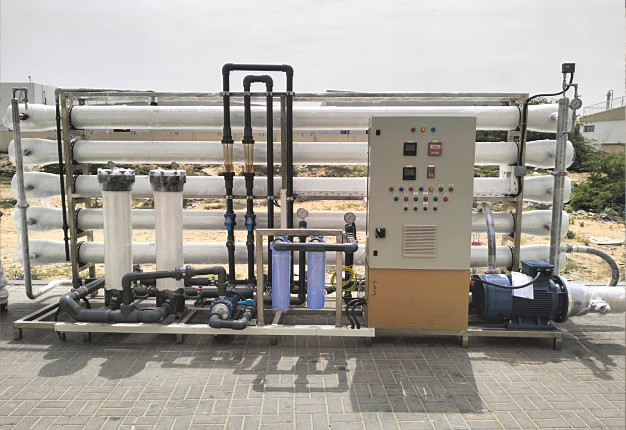
A RO plant is a type of water purification system that cleans water by using the Reverse Osmosis process. It pushes water through a unique membrane that keeps out impurities like chemicals, bacteria, and salt. As a result, there is fresh, clean water available for manufacturing, drinking, and other uses. RO plants are particularly useful in areas where the water is contaminated or salty. Due to Dubai’s high water demand and scarcity of freshwater resources, an RO plant is an essential consideration.
Comprehensive Benefits of the Reverse Osmosis (RO) Plant in Dubai
Now that we have understood what a Reverse Osmosis (RO) plant means, let’s understand how it is beneficial for various industries or individuals. Here is a full overview:
1. Access to Clean Water
By eliminating bacteria, salt, and other contaminants, RO plants provide safe and pure drinking water. This guarantees that even in cases where the initial source is contaminated, people will still have access to safe drinking water.
2. Supports Industrial Growth
Purified water is necessary for production in many industries. RO systems guarantee that they receive high-quality water, which prolongs the life of their operations and improves the performance of machines. An RO plant in Dubai is essential to the efficient operation of various industries.
3. Reduces Reliance on Bottled Water
Households and workplaces can generate their own clean water with RO systems without depending on any external sources. This further helps to reduce the need for more costly and plastic-wasteful bottled water.
4. Eco-Friendly
RO plants benefit the environment by lowering plastic consumption and the need to import bottled water. Therefore, Dubai’s overall carbon emissions are reduced when there is less packaging and transportation.
5. Improves Agricultural Productivity
Farmers use RO water for irrigation, especially in greenhouses. Clean water helps plants grow better and avoids soil damage caused by salty or dirty water.
6. Cost-effective Over Time
The initial costs of RO plants may be on the high side, but they are affordable on a long-term basis. They effectively cut down the expenses incurred on bottled water, water deliveries, and the impairment caused by using impure water, which leads to costly repairs.

Complete Working of a Reverse Osmosis (RO) Plant in Dubai
An RO (Reverse Osmosis) plant relies on a sophisticated filtration technique to purify water by eliminating salts, sediments, and other harmful contaminants. It works by forcing the water through a semipermeable membrane that only allows the pure water molecules to pass. The process is divided into several phases, with each stage specifically designed to eliminate a certain type of waste material.
Let’s take a look at the working of an RO Plant in Dubai widely divided into the following steps:
Step 1: Sediment Filtration
Initially, the water is subjected to a sediment filter that separates visible impurities such as sand, dust, and rust. All these are together the larger dirt particles, which cause the water to appear cloudy. This step not only makes the water look cleaner but also safeguards the whole RO system from the effects of clogging or damage by heavy particles at the initial stage.
Step 2: Pre-Carbon Block Filtration
The water is then sent to a carbon filter. This is the point where chlorine, unpleasant odors, and toxic chemicals that may influence the water’s taste and health are removed. The bad thing about chlorine is that it can harm the RO membrane; thus, this part is crucial in both extending the system’s life and improving water quality right before the main filtration begins.
Step 3: Reverse Osmosis Membrane
The crucial part of the RO process is this one. Water that is heavily pressured gets turned into a liquid and then forced through a semipermeable membrane. It allows only those water molecules that are pure to pass through and prevents all the salts, heavy metals, and even the smallest microorganisms, such as bacteria, from getting through.
Step 4: Post-Carbon Filtration
In this step, a carbon filter is used to finish the purification of water. The step guarantees the removal of any unwanted taste or odor that might still be present. It makes the water good for drinking and safe for cooking or industrial applications. The cleaned water is then either stored or directed to the place where it is required.
Key Applications of Reverse Osmosis (RO) Plant in Dubai
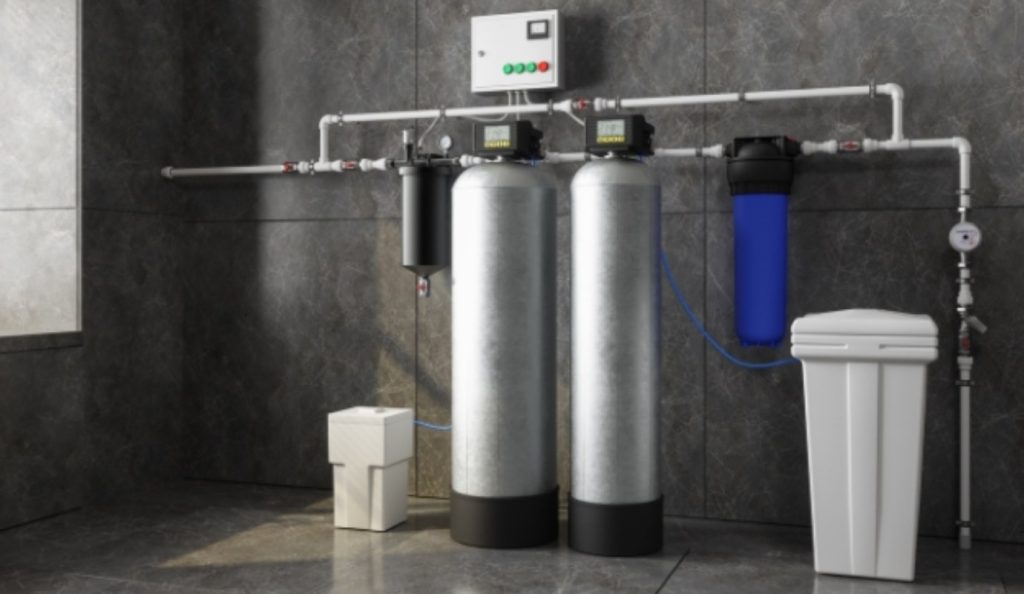
An RO Plant in Dubai is an extremely useful element for various industries. Here are some of the key sectors where these plants have gained immense recognition and are used widely:
1. Residential Water Supply
RO systems are used in homes as a precautionary measure against disease-causing pathogens in the water supply, especially in apartments and villas. It provides daily supplies to families with safe and clean water.
2. Hotel and Hospitality Industry
Water of the best quality is a primary need for hotels’ kitchens, laundries, and guest rooms. The RO Plant in Dubai hotels assures the water is safe and of high quality for the guests.
3. Food and Beverage Industry
Water in this industry is used for the purposes of cooking, cleaning, and product manufacturing. By using RO systems, the industry maintains hygiene and flavor standards.
4. Pharmaceutical and Healthcare
RO water gets used in hospitals and labs for cleaning, sterilization, and making medicines. Water that is free of impurities forms a barrier against infection and thus improves care for the patients.
5. Agriculture and Hydroponics
Farmers and researchers in greenhouses alike use RO water for irrigation. Plants get immunity against casualties arising from salt and chemicals.
6. Construction and Real Estate
Clean water is needed for mixing concrete and other construction activities. It helps maintain the quality of structures and equipment.
7. Car Wash and Cleaning Services
Car wash centers use RO water to prevent spots and streaks. It protects vehicle surfaces and gives a shiny finish.
Conclusion
RO plants have become a crucial element in the water management system of Dubai. These systems are available to produce clean and safe water through a reliable means. They provide water to many sectors such as healthcare, agriculture, hospitality, and industries. The drawbacks of these plants include high energy consumption and maintenance. However, the long-term gains outweigh the costs. The RO Plant in Dubai is vital not only for the city’s drinking water but also for giving life to industrial processes and, hence, plays a significant part in the city’s development and sustainability.
If you are in search of trustworthy and effective water treatment solutions, Aventura Components is your reliable partner in Dubai. Our company is customer-oriented and offers water treatment solutions by preparing the design, setup, and maintenance of a high-quality RO plant that is just made for your needs. Our crew guarantees the best working conditions and backup support for all residential, commercial, and industrial applications. Reach out to Aventura Components now for professional help and good quality solutions.
Also Read – Membrane Filtration in Water Treatment: How It Works & Benefits